Project
Theraprints
Media
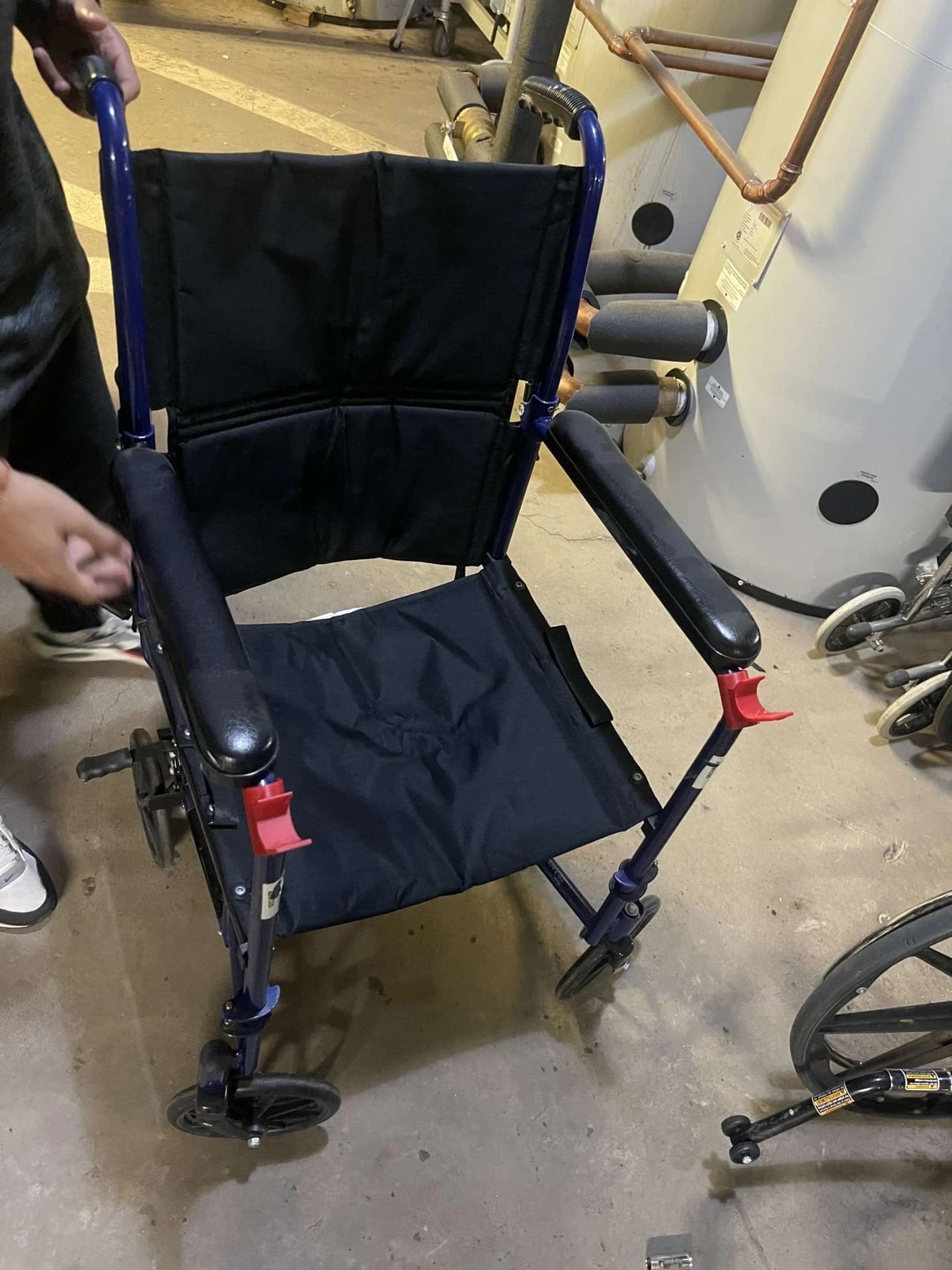
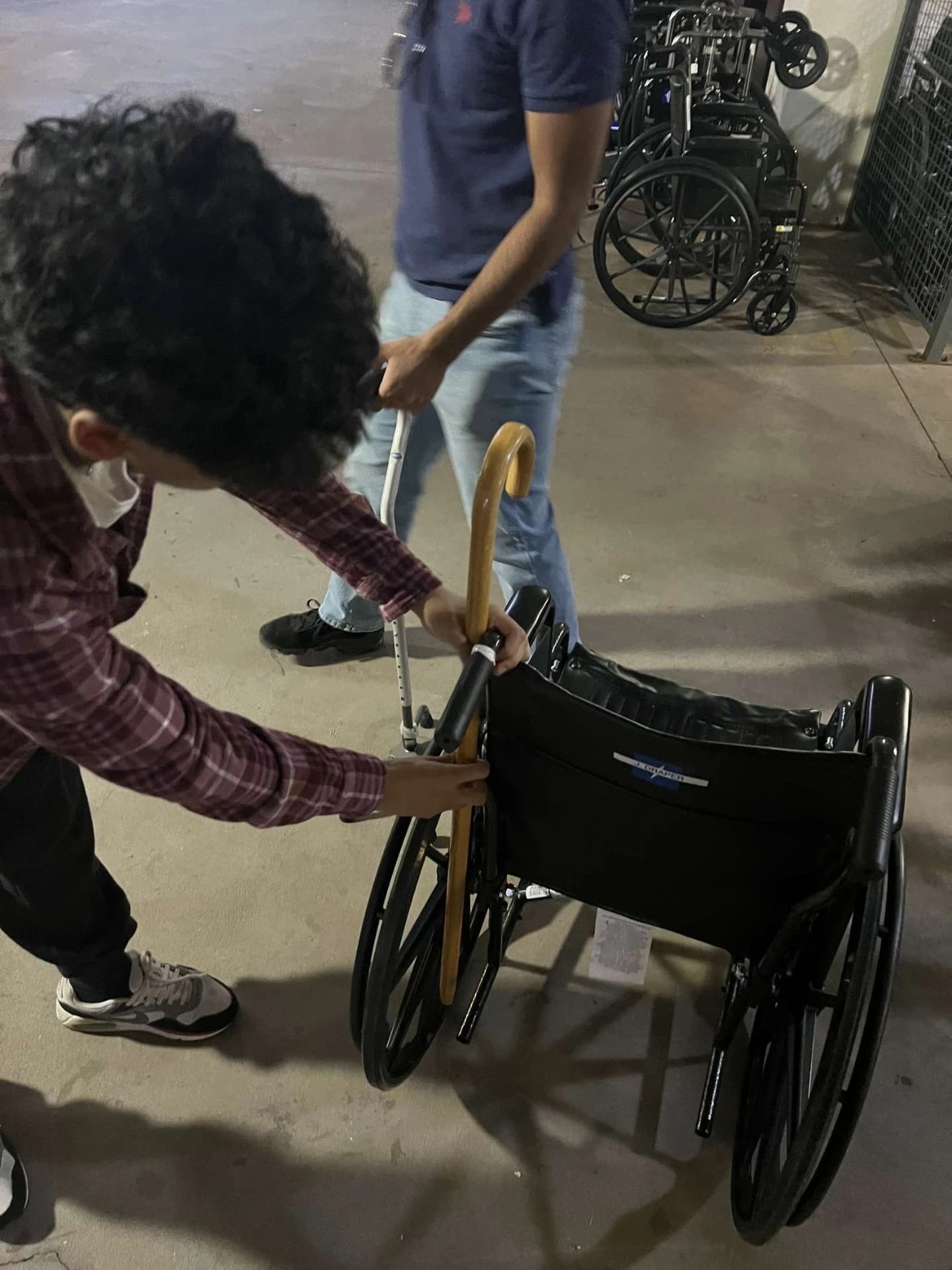
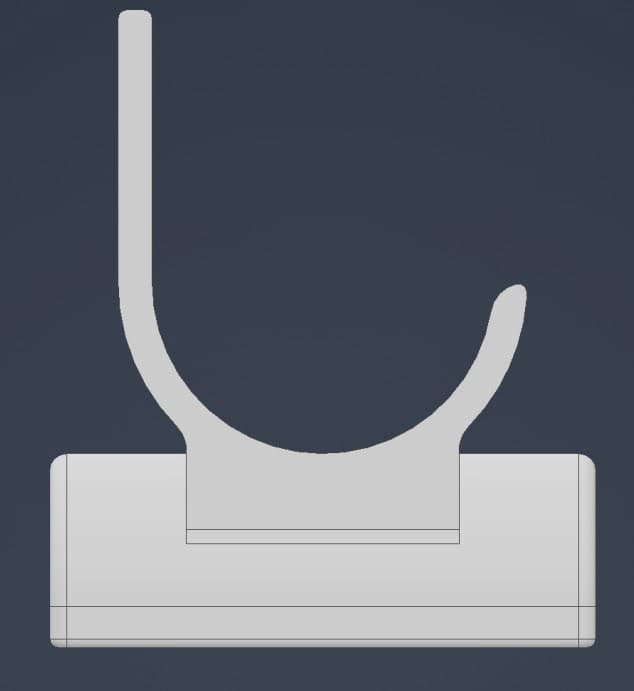
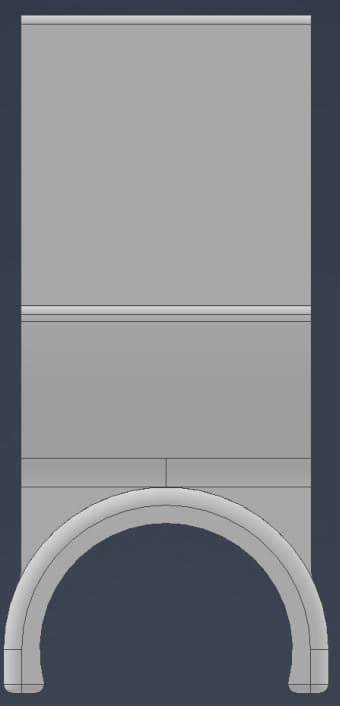
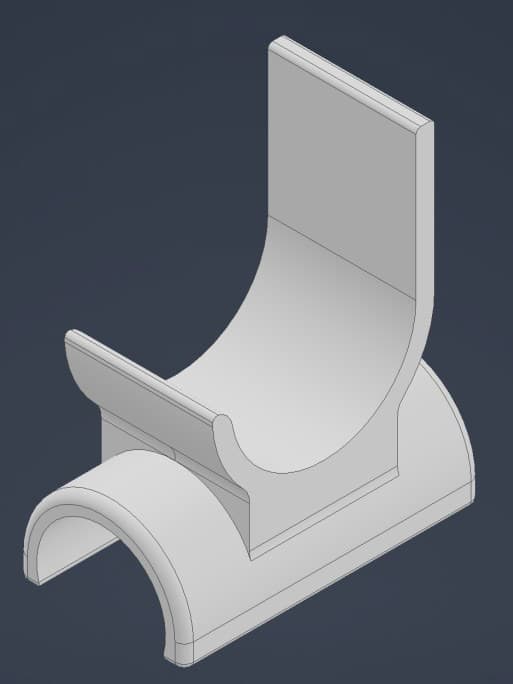
What is the project
I designed and prototyped a lightweight 3D-printed wheelchair-mounted cane adapter that improves transfer safety and independence for seniors and users with mobility challenges.
- I identified a practical assistive-device gap: users often struggle to safely manage a cane while maneuvering a wheelchair, creating fall risk and reducing independence.
- My solution was a frame-mounted adapter that secures the cane directly on the wheelchair without obstructing wheel motion or everyday mobility tasks.
- I engineered a snap-fit locking interface that supports stable retention during movement while still allowing quick one-hand insertion and removal.
- The CAD geometry was parameterized for fit flexibility so the design can adapt to different cane diameters and wheelchair frame variations.
- I used iterative prototyping and user-centered refinements to improve mount angle, access ergonomics, and retention reliability across repeated use.
- The final design prioritized lightweight durability, simple operation, and safer transition flow from wheelchair use to cane-assisted movement.
What I learned
- Assistive hardware succeeds when biomechanics and workflow are treated as first-class engineering constraints, not just form-factor considerations.
- Snap-fit performance depends on balancing material elasticity, engagement depth, and tolerances to avoid either loose retention or excessive insertion force.
- Parametric CAD accelerates iterative design by allowing rapid adjustment of core dimensions for user-specific fit without rebuilding the model from scratch.
- User testing is essential for uncovering practical issues, especially one-hand accessibility, reach comfort, and reliability under real daily motion.
- In low-cost medical-adjacent prototyping, manufacturability and repeatability are as important as concept novelty for real-world adoption.
Skills Learned
- Human-Centered Assistive Device Design
- Parametric CAD Modeling
- 3D Printing for Functional Prototypes
- Snap-Fit Mechanism Design
- Tolerance and Fit Optimization
- Iterative Hardware Prototyping
- User Testing and Design Validation
- Biomechanics-Informed Product Design